Best Wound Documentation Tools for Home Health in 2026
Compare 2026 wound documentation tools for home health: AI scribes, Swift Medical imaging, WoundRounds, and EMR wound modules, plus OASIS wound coding.
Lime Health Team
Lime Health AI
Updated October 2026: we corrected how wound documentation relates to PDGM (OASIS wound staging does not set PDGM payment), added links to our OASIS-E2 M1311 pressure ulcer guide, and re-checked each vendor against its site. Swift Medical now covers home health directly, and WoundRounds is described for the facility settings it markets to.
Why Wound Documentation Matters in Home Health
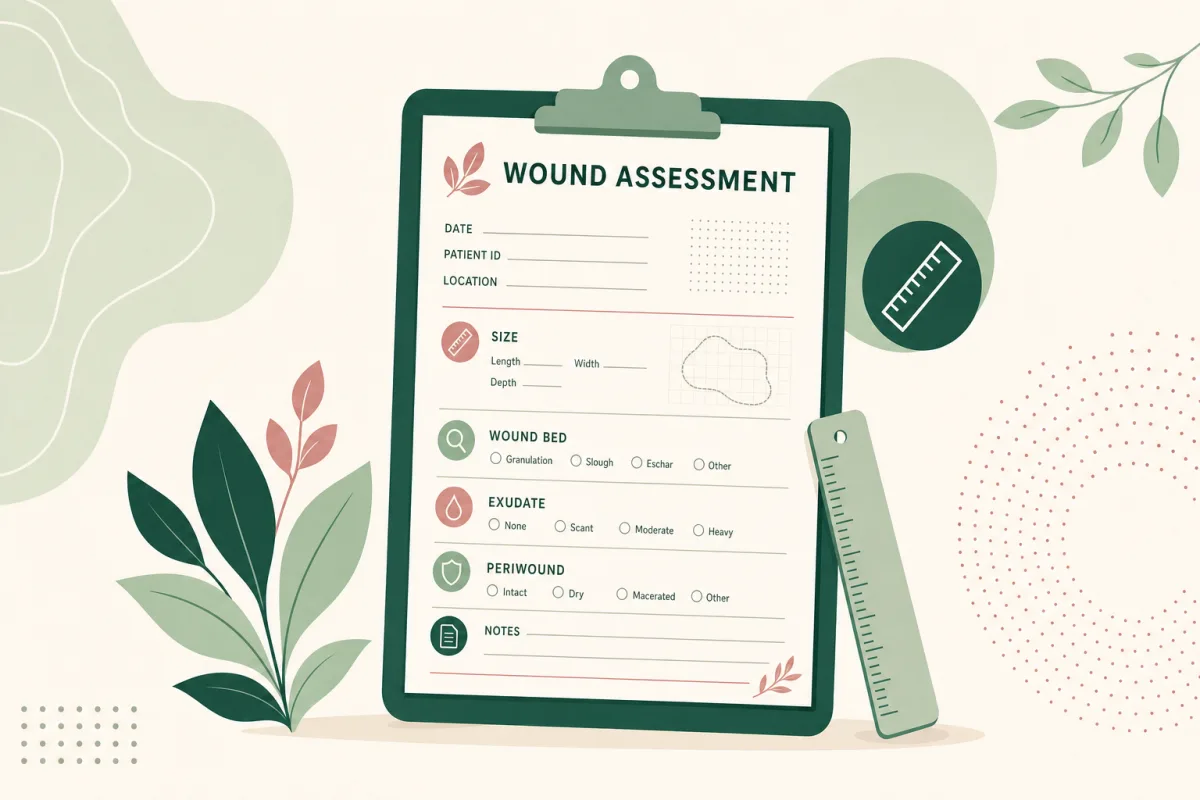
Wound care is one of the most documentation-intensive parts of home health. Every wound needs precise measurements, staging, treatment documentation, and progress tracking across visits. Inaccurate wound documentation creates compliance risk. Wound assessments showing inconsistent healing patterns without a clinical explanation are a known CMS audit trigger.
OASIS wound staging does not set PDGM payment. The PDGM clinical group, including the Wounds group, comes from the principal diagnosis on the claim, and the comorbidity adjustment comes from secondary diagnoses. OASIS integumentary items such as M1311 pressure ulcers/injuries feed quality reporting, and your wound documentation, OASIS responses, and ICD-10 codes need to agree. See the OASIS items hub for related items.
Here are the best tools for wound documentation in home health.
1. Lime Health AI, Best for Wound Findings in the Visit Note
Best for: Agencies wanting wound documentation inside their overall charting workflow
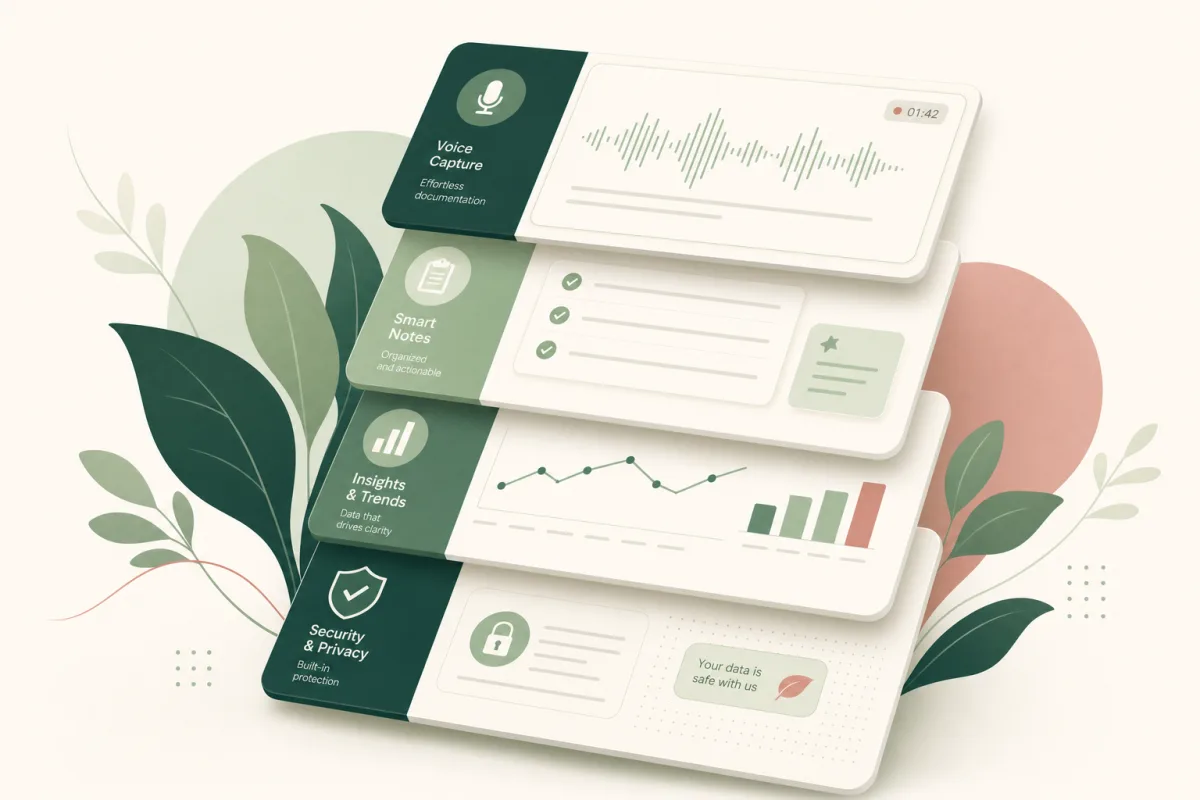
OASIS Scribe captures wound findings as part of the visit. Clinicians describe each wound out loud (location, dimensions, stage, wound bed, periwound tissue, drainage, and treatment), and the AI drafts structured wound documentation along with the OASIS-E2 responses. The clinician reviews and confirms everything before it syncs to the EMR.
Key strengths:
- Wound documentation drafted as part of the visit note, no separate tool
- Flags gaps between wound findings and the OASIS wound items for your QA team
- ICD-10 code suggestions for wound-related diagnoses, tied to the documentation
- Cuts documentation time by 75%, with 95% accuracy
Considerations:
- Voice-based capture, not photo measurement
- Full documentation platform, wound documentation is one component
2. Swift Medical, Best AI Wound Imaging
Best for: Agencies wanting objective wound measurement from smartphone photos
Swift Medical’s Swift Skin & Wound uses smartphone imaging with AI tissue analytics to measure wounds and classify tissue. Swift markets directly to home health agencies, where RNs and LPN/LVNs capture wounds at the visit and the wound care team reviews and monitors remotely.
Key strengths:
- Wound measurement and tissue classification from smartphone photos
- Remote review by your wound care team
- A portal for documentation compliance and wound analytics
- Serves home health, skilled nursing, hospitals, and wound clinics
Considerations:
- Requires consistent photo technique for accurate results
- Confirm EMR integration for your system, since Swift’s home health page does not name specific EMRs
- Focused on wound care, not overall visit documentation
3. WoundRounds, Best for Facility-Based Wound Programs
Best for: Organizations with facility-based wound programs
WoundRounds is a wound-dedicated documentation and management system with a mobile app. It prompts clinicians step by step to capture complete wound data and adds dashboards, reporting, and pressure injury prevention workflows. Its marketing targets skilled nursing facilities, long-term acute care hospitals, rehabilitation hospitals, and critical access hospitals.
Key strengths:
- Step-by-step mobile wound data capture
- Dashboards and reporting for wound programs
- Pressure injury prevention workflows
Considerations:
- Built for facility settings, so confirm home health fit with the vendor
- A separate system from your EMR
- Does not produce other clinical documentation
4. EMR Wound Modules, Best for Workflow Simplicity
Best for: Agencies wanting wound documentation inside their existing EMR
Most major home health EMRs include wound documentation modules with structured assessment templates. They are less specialized than dedicated tools, but they keep documentation in a single system.
Key strengths:
- No additional software to manage or integrate
- Wound data flows straight into the patient record
- OASIS wound items sit next to the wound documentation
- Staff already know the platform
Considerations:
- Template-based, so the clinician enters all data by hand
- Measurement tools are less sophisticated than dedicated apps
- Photo and AI features vary by EMR
Choosing the Right Approach
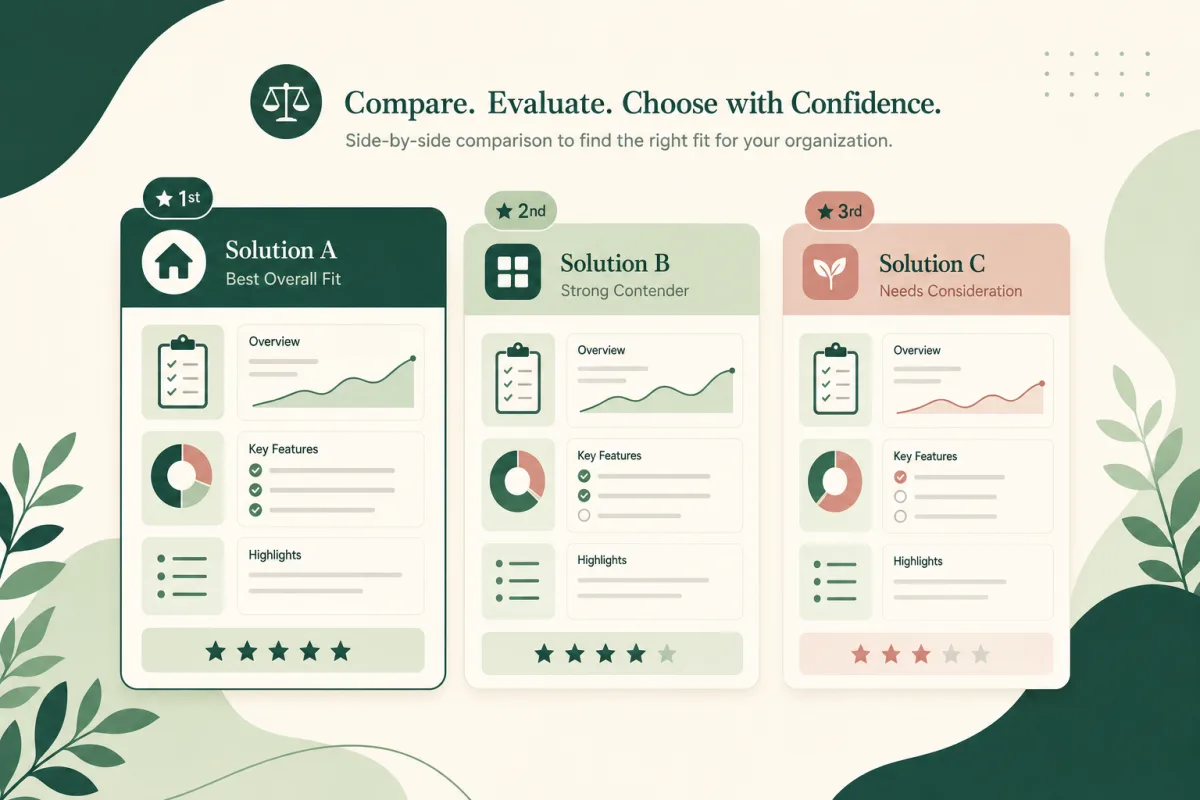
For most agencies, the choice comes down to volume and complexity. Agencies with a few wound patients do fine with their EMR’s wound module. Agencies with high wound volume or a wound care specialty program get more from dedicated imaging tools.
The most efficient approach pairs AI documentation capturing wound findings during the visit with objective measurement tools. You get the narrative documentation CMS expects and the precise measurements behind OASIS accuracy. Before you code M1311, check the staging rules in our M1311 guide.
Wound Documentation Resources
- OASIS M1311 Pressure Ulcers, How to code pressure ulcers and injuries in OASIS-E2
- OASIS Items Hub, Item-level OASIS-E2 coding guidance
- Home Health Documentation Best Practices, Comprehensive documentation guidance
- OASIS Accuracy and Compliance, How wound documentation affects OASIS
- OASIS Scribe, Ambient documentation including wound assessments
- Best Apps for Home Health Nurses, Complete mobile toolkit