Best Care Coordination Tools for Home Health in 2026
Care coordination tools for home health compared for 2026: AI documentation, referral intake, secure messaging, CarePort, Mosai, and Doximity.
Lime Health Team
Lime Health AI

Updated October 2026: Lime’s entry now covers OASIS Scribe and Lime Intake, the CarePort (WellSky) and Mosai descriptions match their current product lines, TigerConnect and Doximity details were rechecked against current sources, and claims we could not verify were removed.
The Care Coordination Challenge
Home health care is distributed by design. Clinicians work alone in patient homes and coordinate with physicians, case managers, therapists, and family caregivers across locations and schedules. Good care coordination gets the right information to the right people at the right time, so nothing falls through the cracks.
Poor care coordination leads to missed orders, delayed interventions, duplicated work, and patient harm. The right tools lighten the coordination load instead of adding to it.
1. Lime Health AI, Best for Documentation and Referral Intake
Best for: Agencies where coordination breaks down on late visit notes or slow referral responses
Care coordination starts with documentation. When visit notes arrive late or incomplete, the rest of the care team works from outdated information. OASIS Scribe drafts the visit note, OASIS responses, and ICD-10 code suggestions from the visit conversation. The clinician reviews and confirms each draft before it goes to the EMR. Lime reports a 75% reduction in documentation time.
At the front of the episode, Lime Intake watches referral portals, fax, and email in one queue, reads each referral packet, applies your admission criteria, and routes anything ambiguous to your intake team.
Coordination strengths:
- Visit notes drafted during the visit, so the team sees them the same day instead of after hours
- Clinician-confirmed notes land in the EMR where the whole care team works
- OASIS and ICD-10 coding drafts for the clinician and your coders to confirm
- Consistent note structure across clinicians
- One referral queue across portals, fax, and email with Lime Intake
Considerations:
- Documentation and intake platform, not a team messaging or order-signing tool
- Clinicians and your QA team review and confirm every AI draft
- Confirm support for your EMR during evaluation
2. TigerConnect, Best HIPAA-Compliant Messaging
Best for: Secure real-time communication between field staff, office staff, and physicians
TigerConnect (founded as TigerText) provides HIPAA-compliant clinical communication. It replaces the compliance risk of texting patient information over standard SMS. Messages are stored on TigerConnect’s servers rather than the phone and expire on a set schedule. The company also sells physician scheduling (TigerSchedule) and hospital alarm and nurse-call middleware from its Critical Alert acquisition.
Coordination strengths:
- HIPAA-compliant text, voice, and video communication
- Role-based messaging (reach the on-call clinician, not a specific person)
- Message expiration settings for compliance
- Physician on-call scheduling through TigerSchedule
Considerations:
- Messaging platform, does not handle documentation or clinical workflows
- Built for enterprise healthcare and hospitals, so confirm fit for a field-based home health team
- Requires staff adoption and consistent use to be effective
3. CarePort (WellSky), Best Referral and Transition Management
Best for: Agencies managing referral relationships with hospitals and health systems
CarePort, now powered by WellSky, connects hospitals with post-acute providers during care transitions. It absorbed the naviHealth Care Transition Platform (formerly Curaspan). Home health agencies use it to receive and respond to hospital referrals, and many hospital referrals reach agencies through it.
Coordination strengths:
- Referral Management to track and respond to patient referrals in a single system
- Intake to connect with hospital partners and manage referrals from any source
- Care Management and Connect for patient status across care settings
- Visibility into patients moving between hospital and home
Considerations:
- Focused on referral and transition coordination, not day-to-day clinical communication
- Most valuable for agencies with significant hospital referral volume
- Part of the WellSky ecosystem, so ask how it fits a non-WellSky EMR
4. Mosai (formerly Forcura), Best Document Management and Exchange
Best for: Agencies managing high volumes of clinical documents, orders, and faxes
Mosai formed when Forcura and Medalogix rebranded under one name on October 29, 2025. Its Networked Care products handle physician orders and order signing. Its Referrals and Admissions products extract and prioritize referral data. Its Clinical Management products carry over Medalogix’s predictive models.
Coordination strengths:
- Orders: physician order and care plan management
- Circle: digital workflows for physician order signing
- Referrals and Admissions: AI-assisted data extraction and prioritization
- Pulse: visit-level risk scoring and utilization alerts
- Integrations with HCHB, MatrixCare, WellSky, Axxess, and AlayaCare
Considerations:
- Document and workflow focus, does not draft clinical documentation or provide team messaging
- Most valuable for agencies with high document volume
- Requires integration with your EMR for full workflow benefit
5. Doximity, Best for Physician Communication
Best for: Clinicians who need to reach physicians and send faxes from the field
Doximity combines a physician network, secure communication, and digital fax. Doximity says its membership includes over 85% of physicians, plus a growing number of NPs, PAs, and pharmacists. For home health teams who need physicians for orders, clarifications, or notifications, the network’s reach matters.
Coordination strengths:
- Calls from your cell phone with your office number on caller ID
- Digital fax from your phone for orders and face sheets
- Physician directory and profiles
- Secure collaboration with physicians on the platform
- HIPAA-compliant video calls
Considerations:
- Physician communication tool, not a full team coordination platform
- Membership centers on physicians, NPs, PAs, and pharmacists, so confirm which tools your nurses and therapists have access to
- Limited workflow automation beyond communication
Building an Effective Coordination Stack
The most effective care coordination combines:
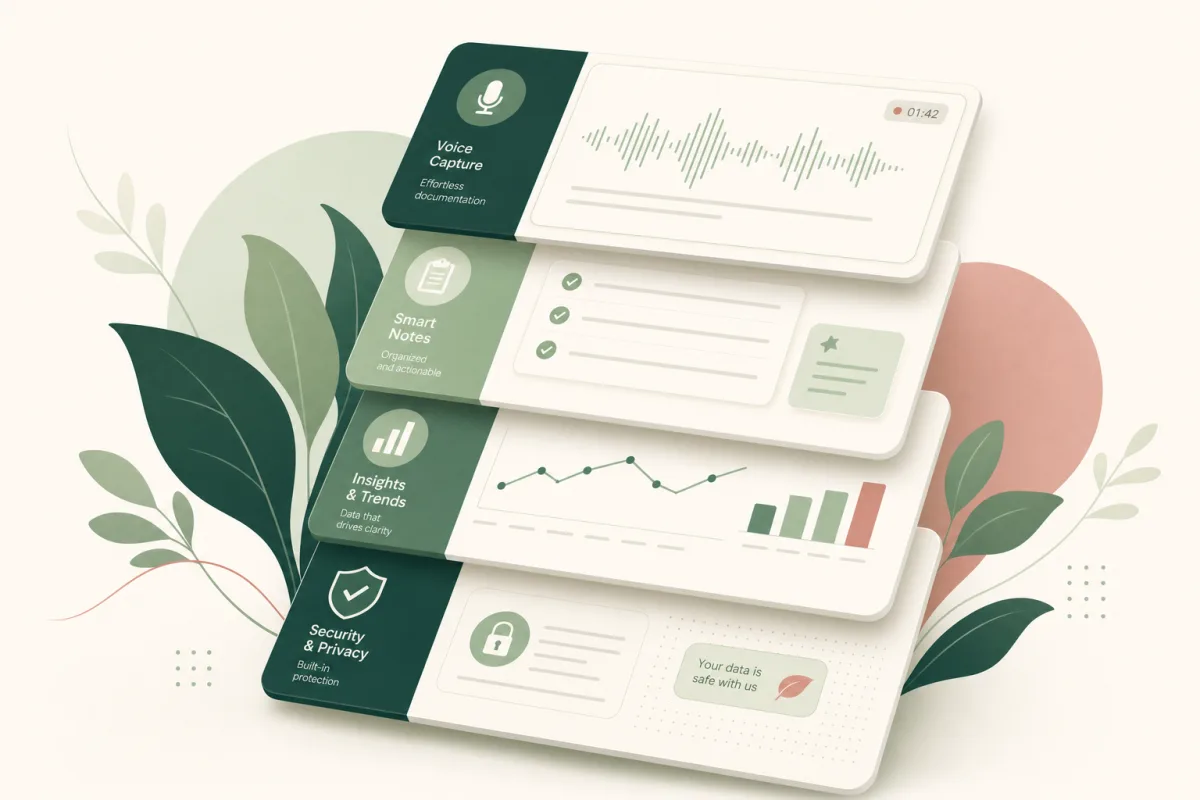
- Timely documentation: AI-drafted visit notes, confirmed by the clinician the same day
- Secure messaging: HIPAA-compliant communication for real-time coordination
- Document management: Automated routing of orders, signatures, and clinical documents
- Referral intake: Fast, consistent responses to referrals from portals, fax, and email
No single tool covers all four. The right combination depends on your agency’s size, referral patterns, and coordination pain points.
Care Coordination Resources
- OASIS Scribe, Cut the documentation delays slowing coordination
- Lime Intake, Automated referral intake across portals, fax, and email
- Referral Portal Monitoring, How agencies handle CarePort and hospital portals
- Best Apps for Home Health Nurses, Mobile toolkit for field clinicians
- EMR Integration Guide, Connect your coordination tools with your EMR
- Home Health Technology Stack, Build the right combination of tools