WellSky vs Homecare Homebase (HCHB) for Home Health Agencies (2026)
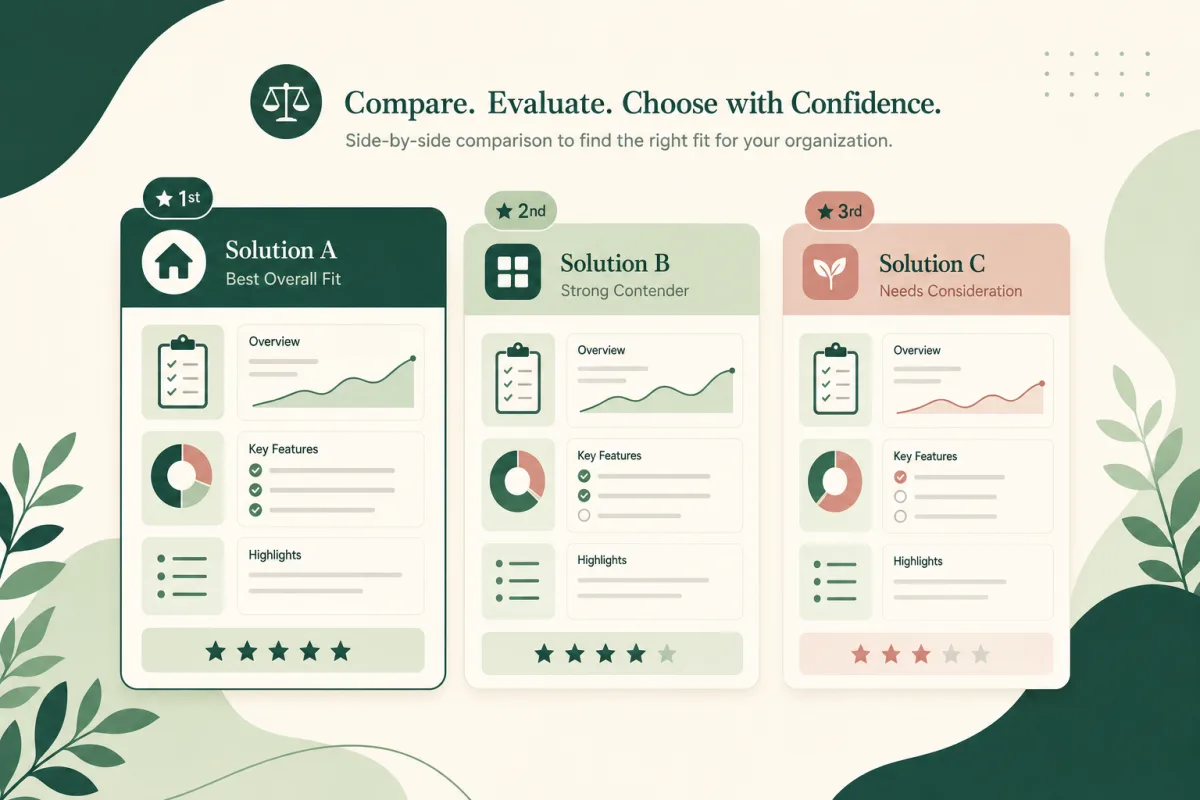
A neutral WellSky vs HCHB comparison for home health agencies: operations vs. clinical depth, the new embedded AI scribes, and how to choose in 2026.
Lime Health Team
Lime Health AI

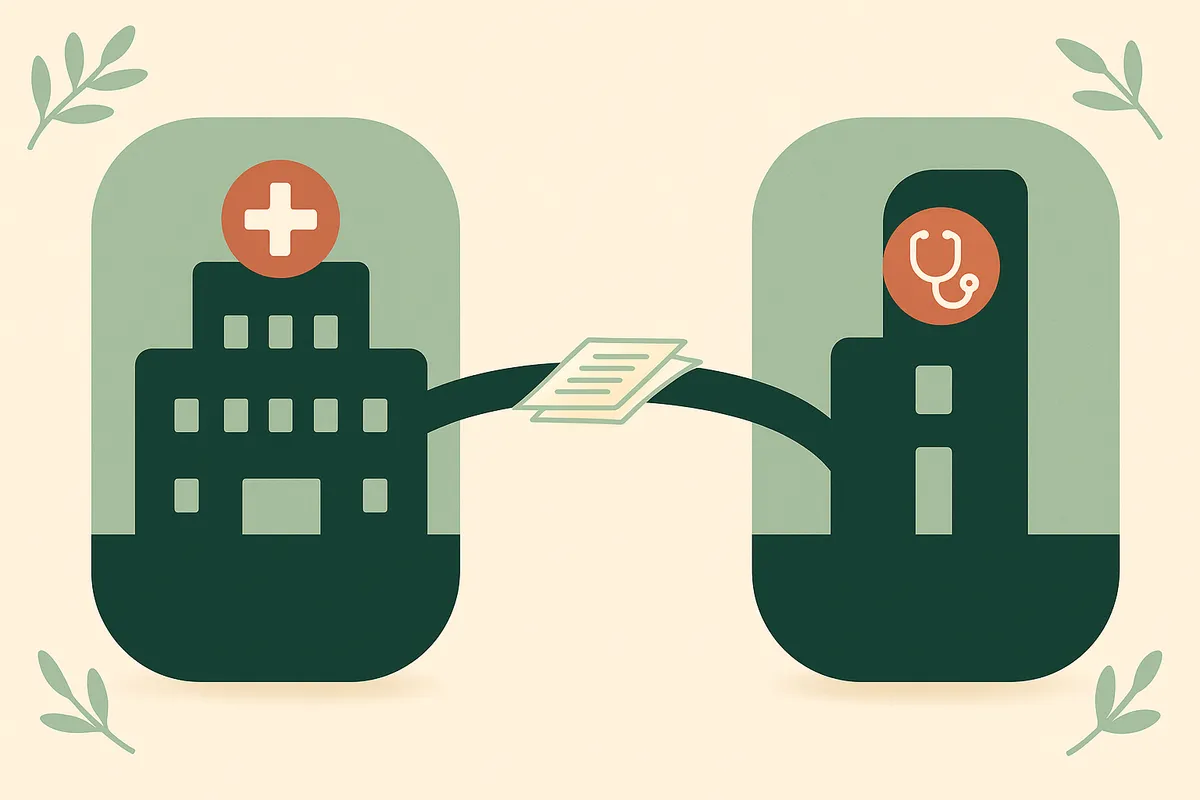
WellSky and Homecare Homebase (HCHB) come up in nearly every mid-to-large home health EMR evaluation. We integrate with both, so consider this a referee’s view rather than a sales pitch.
The short answer
Choose HCHB if field operations are your bottleneck. Scheduling optimization, route management, real-time field visibility, and workflow enforcement are its core strengths. Choose WellSky if you want the larger user ecosystem and a more established clinical documentation and billing stack, with embedded ambient AI shipping first.
Operations vs. clinical stack
HCHB is operations-first: advanced scheduling and routing, real-time field staff tracking, tightly enforced workflows, and strong operational reporting. Agencies running high visit volumes across large field teams feel HCHB’s advantages daily. The flip side: the platform is complex to implement and customize, and its documentation experience has been template-and-workflow driven.
WellSky leads with breadth and maturity: clinical documentation, billing, compliance, and analytics refined across one of the industry’s largest installed bases. Training resources and third-party consultant depth are unmatched. The tradeoff is legacy-platform complexity and a total cost of ownership smaller agencies feel.
The AI scribe race
Both vendors shipped embedded AI documentation within the last year, a real change in this comparison:
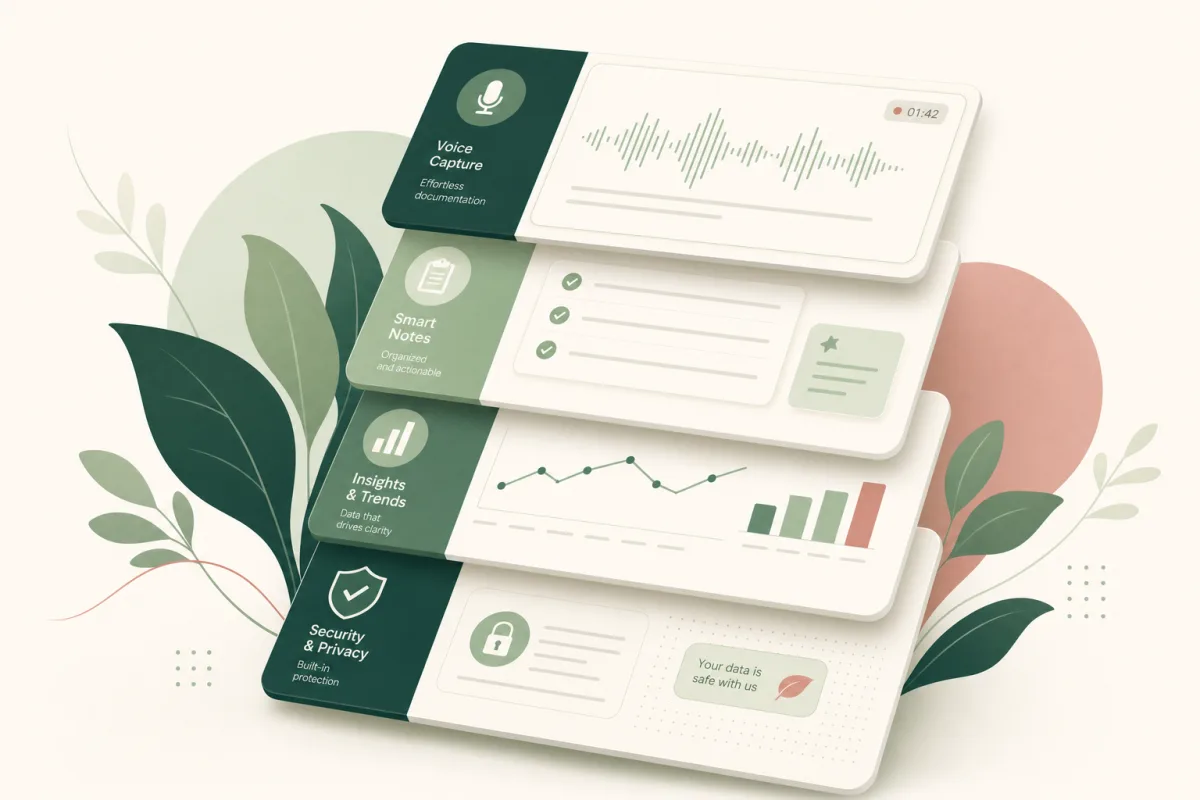
- WellSky launched WellSky Scribe and the WILA voice assistant in late 2025: ambient listening populating EHR fields during the visit, plus voice-driven OASIS completion afterward.
- HCHB announced Curate: Scribe in March 2026, built with StenoHealth: native AI drafting of clinical notes inside the HCHB workflow.
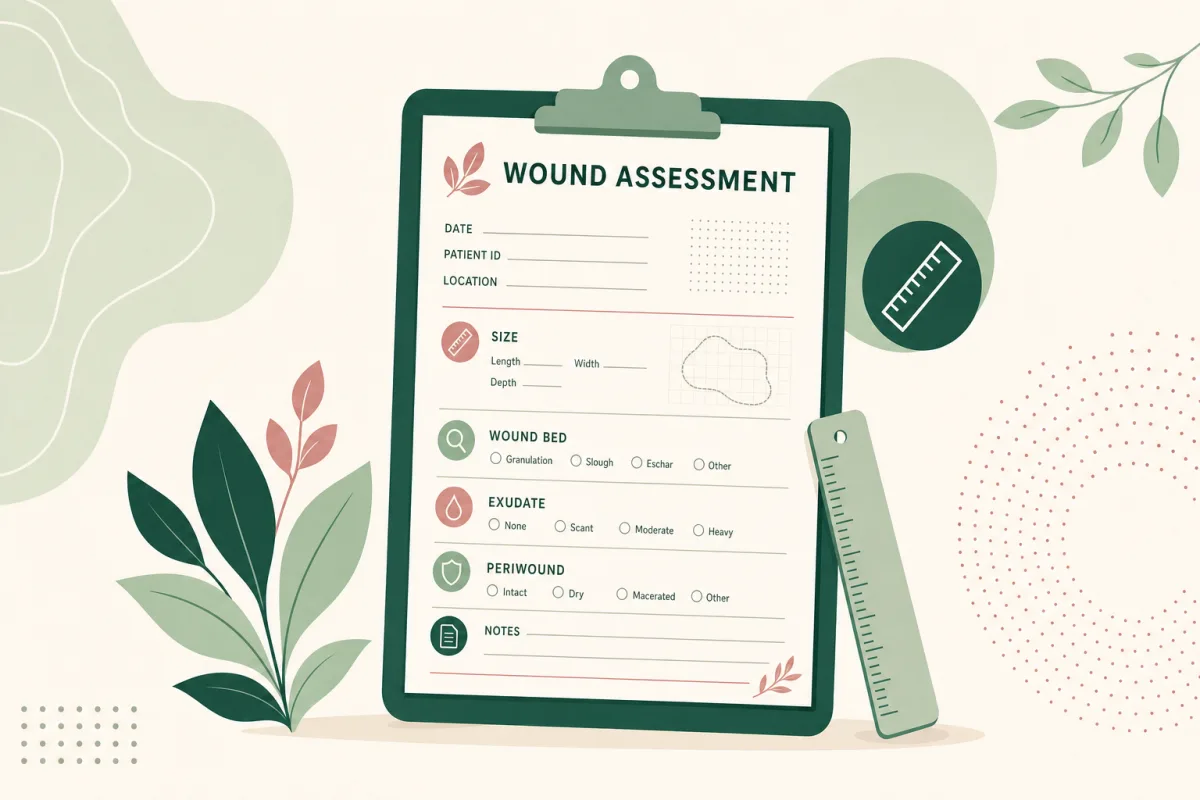
WellSky’s is further along. It shipped earlier and extends to OASIS items via WILA. HCHB’s is newer and focused on draft notes. Both are single-EMR tools without coding review. Clinicians still complete the structured assessment and own accuracy. Agencies wanting full OASIS-E2 generation, ICD-10 support, and AI QA flags layer a purpose-built platform like Lime over either EMR.
Where each wins
HCHB strengths: best-in-class scheduling and routing, real-time field operations, workflow enforcement at scale, and a strong fit for large, operations-driven agencies.
WellSky strengths: the largest user community and training ecosystem, mature billing and compliance tooling, embedded ambient AI shipping since 2025, and broader analytics.
Shared considerations: enterprise pricing and implementation timelines, complexity demanding internal admin expertise, and embedded AI drafting without verifying.
How to decide
- Name your constraint. If missed visits, routing, and field coordination cost you most, HCHB attacks those directly. If documentation, billing, and compliance dominate, WellSky’s stack is deeper.
- Demo the scribes on a real SOC visit. Have a clinician run a scripted Start of Care through WellSky Scribe and Curate: Scribe. Count what lands in OASIS items versus what still needs manual completion.
- Evaluate the documentation layer separately. Completeness, coding, and QA differ far more between embedded and purpose-built AI than between these two EMRs. Our full platform comparison and Lime vs. HCHB / Lime vs. WellSky breakdowns cover this angle.
Both platforms run thousands of successful agencies. The differentiator in 2026 is not the EMR badge. The differentiator is whether your documentation workflow produces accurate, audit-ready OASIS-E2 charts without burning out clinicians.