Sentinel QA: Every Visit Note Reviewed. In Minutes. Automatically.
Fully automated visit-note QA for home health and hospice. Audit-ready documentation on autopilot, priced per review. No EMR integration, no new interface, no workflow change.
What Is Sentinel QA?
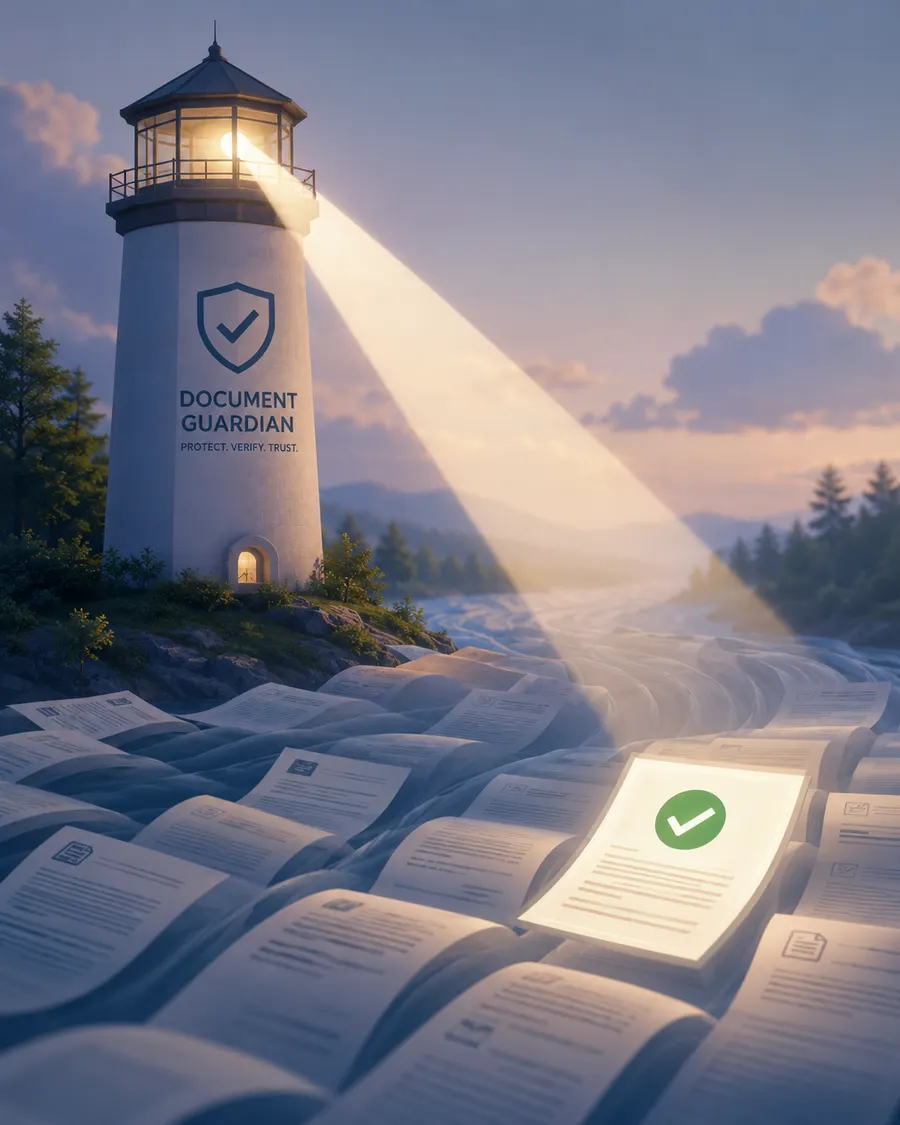
Sentinel QA is an automated back-office QA service. It reviews every home health and hospice visit note within about 10 minutes of submission, with no EMR integration and no workflow change. Sentinel pulls the note plus wounds, medications, and subforms, runs a complete quality review, and returns findings where your QA feedback lands today. Your QA team supervises the system instead of reading every chart.
How Sentinel QA Works
- A clinician submits a visit note for review, exactly as they do today. Nothing changes in the field. You choose the trigger: per visit note, per episode (SOC, ROC, recertification, discharge), by QA-queue status, on demand, or on a scheduled batch.
- Sentinel picks the note up automatically, working through the system access your back office already has. No APIs, no integration project. Support starts with HomeCare Homebase, with more EMRs onboarding.
- Sentinel reviews the full picture. It opens what a human reviewer would open by hand: the note plus the plan of care, physician orders, medication administration records, wound measurements, treatment flowsheets, prior documentation, and subforms. It checks completeness, internal consistency, and the compliance risks state audits surface.
- Findings return in about 10 minutes, flagged to the clinician and the back office in the same place QA feedback lands today. No new dashboard to learn.
- Your team stays in charge. Your QA team supervises the system, handles exceptions, and coaches clinicians on recurring issues.
From Sampling to 100% Coverage
Manual QA depends on reviewer hours, so most agencies sample: a percentage of charts, the riskiest cases, the newest clinicians. Everything else goes out the door unreviewed and becomes the chart an auditor eventually pulls. Sentinel removes the constraint. Every note gets the same review, every time, with turnaround in minutes instead of the 24 to 72 hours of a manual queue. Feedback lands while the visit is fresh in the clinician's mind, which is when documentation gets fixed.
What It Covers
- Automated visit-note QA. The core: completeness, consistency, and audit-risk review on every submitted note. Everything an OASIS scrubber checks, plus the full chart around it.
- AI-drafted coding. Your coders check drafted codes instead of coding from scratch, using the same AI suggestions as the rest of the Lime coding workflow.
- Per-episode and status-based QA. Reviews aligned to episode milestones and patient status changes.
- ADR support. Drafting for ADR responses from documentation Sentinel has already reviewed.
- Adjacent document drafting. High-volume back-office documents such as medical director notes for hospice organizations.
Every Finding Shows Its Work
Compliance leaders distrust black-box AI, and they should. Sentinel returns findings built for audit defense. Every finding includes:
- The issue and its severity
- The rule behind it
- The source document or field
- The exact supporting evidence from the chart
- A recommended correction
When required evidence is missing, Sentinel returns a "Cannot Evaluate" flag naming the missing source instead of guessing. Your reviewers trace each finding back to the chart. No unexplained scores, no mystery flags.
Your Rules, Not a Generic Checklist
Sentinel evaluates each chart against your organization's rule pack, spanning five families:
- Completeness and timeliness. Required fields, dates, signatures, sequencing, and documentation status.
- Clinical consistency. Visit narrative against the plan of care, physician orders, prior documentation, and changes in condition.
- Medications and treatments. Medication records, wound care, treatment parameters, and documented response.
- OASIS and episode integrity. Item logic, supporting evidence, cross-discipline consistency, and episode milestones.
- Agency policy. Your checklists, payer requirements, specialty protocols, and escalation thresholds.
The same chart reviews differently for each agency, payer, and specialty. Your QA standards, enforced on every note.
Pilots Run in Shadow Mode
You prove Sentinel on your own charts before changing anything. A pilot runs in three steps:
- Map coverage. Confirm read-only access and chart coverage with representative test charts.
- Shadow your QA. Load your rule pack and run Sentinel alongside your current QA process. Your reviewers grade its findings against their own.
- Measure and expand. Track turnaround, source coverage, precision, and reviewer time. Add note types once the numbers hold.
Most agencies know within two weeks whether the findings earn trust.
Priced Per Review
You pay for QA performed. Per review, not per seat, license, or module. Cost scales with your volume, and agencies start with a pilot before committing. Already using Lime's OASIS review or virtual QA staff? Sentinel extends automated review to every visit note.
FAQ
Sentinel QA, Answered
What compliance and QA leaders ask before automating chart review.
Sentinel QA is an automated back-office QA service for home health and hospice. When a clinician submits a visit note for review, Sentinel pulls the note plus everything a human reviewer would open by hand: wound records, medications, subforms. It runs a complete quality review and returns findings in about 10 minutes, in the same place your QA feedback lands today. Your QA team supervises the system instead of reading every chart.
No. Sentinel QA works through the EMR access your team already has. No APIs, no integration project. Support starts with HomeCare Homebase (HCHB), with more EMRs onboarding. Setup takes days, not months.
Yes. Your QA team supervises the system and handles exceptions instead of reading every chart line by line, and coaches clinicians on recurring issues.
About 10 minutes from the moment a clinician submits a note. Every note, every time. Manual QA queues run 24 to 72 hours and cover a sample of charts. Sentinel reviews 100% of submitted notes with consistent criteria.
Sentinel runs the same review a strong human reviewer performs: documentation completeness, internal consistency, cross-checks against wounds, medications, and subforms, and the compliance risks state audits and ADRs surface. It also drafts coding for your coders to review, supports per-episode and status-based QA, drafts ADR responses, and drafts adjacent documents such as medical director notes at hospice scale.
Per review. You pay for QA performed, not per seat or license. Pricing scales with your review volume. Agencies start with a pilot before committing.
No. It changes their work. Reviewers stop opening charts and cross-referencing subforms by hand. They supervise the automated system, handle flagged exceptions, and coach clinicians on recurring documentation issues. You get 100% review coverage without adding QA headcount.
In the same place QA feedback lands today. No new interface, login, or workflow for clinicians or the back office. The only change: feedback arrives in minutes instead of days, on every note.
Every finding includes the issue and its severity, the rule behind it, the source document or field, the exact supporting evidence from the chart, and a recommended correction. When required evidence is missing, Sentinel returns a Cannot Evaluate flag naming the missing source instead of guessing.
Yes. Sentinel evaluates charts against your organization's rule pack across five families: completeness and timeliness, clinical consistency, medications and treatments, OASIS and episode integrity, and agency policy, including payer requirements, specialty protocols, and escalation thresholds. The same chart reviews differently for each agency and payer.
Pilots start read-only and run in shadow mode. Sentinel reviews the same charts your QA team reviews, and your reviewers grade its findings against their own. You track turnaround, source coverage, precision, and reviewer time, then expand note types once the numbers hold. Most agencies know within two weeks.
It covers what a scrubber covers, then goes further. An OASIS scrubber validates item logic within one assessment. Sentinel runs a full chart audit: the visit note plus the plan of care, physician orders, medications, wounds, and subforms, checked for cross-document consistency and audit risk. It also drafts coding for your coders to review. Agencies comparing OASIS scrubbers, chart audit tools, and outsourced QA services get all three functions in one per-review price.
Built by the team behind the scribe agencies trust with tens of thousands of patients monthly





See Sentinel QA review one of your notes, live.
Request a Demo