Axxess vs Netsmart myUnity for Home Health & Hospice (2026)
A neutral comparison of Axxess and Netsmart myUnity for home health and hospice agencies: usability vs. enterprise scope, AI capabilities, and how to choose.
Lime Health Team
Lime Health AI

Axxess and Netsmart myUnity serve overlapping home health and hospice markets from different directions. Axxess grew up as an accessible, cloud-based agency platform. myUnity is Netsmart’s unified post-acute EHR with enterprise and behavioral-health roots. We integrate with both vendors’ ecosystems, so here is the neutral view.
The short answer
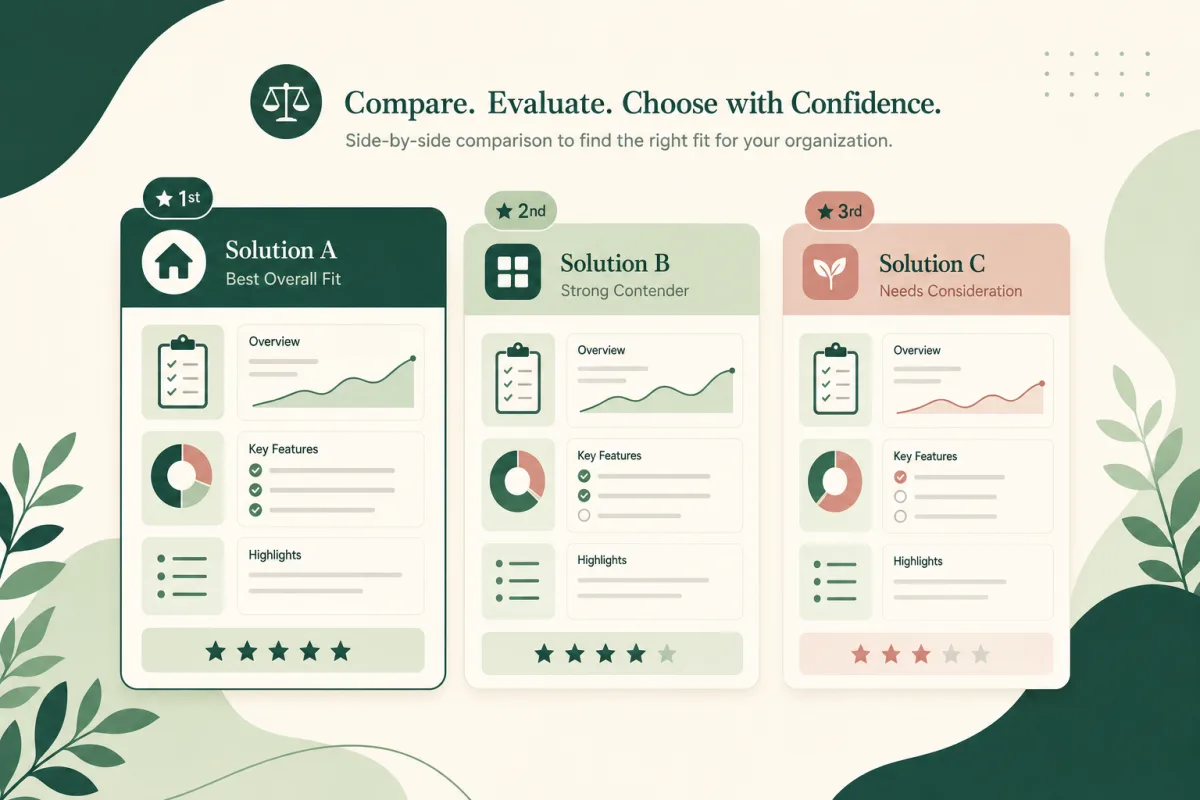
Choose Axxess if you run a small-to-mid-size agency and value fast onboarding, an intuitive interface, and per-user pricing scaling down as well as up. Choose Netsmart myUnity if you run a larger or multi-service organization and want one enterprise EHR across home health, hospice, palliative, and adjacent service lines, with deeper interoperability plumbing.
Usability vs. enterprise scope
Axxess covers home health, hospice, and private duty in a cloud platform regarded as easier to learn than legacy competitors. Growing agencies pick Axxess for lower training overhead, accessible pricing, and an API for third-party integrations. Its considerations mirror its positioning: reporting and enterprise workflow depth trail the platforms built for the largest operations.
Netsmart myUnity unifies post-acute care on one record: home health, hospice, palliative, and senior living. The platform inherits Netsmart’s strengths in interoperability (CommonWell and Carequality connectivity) and enterprise deployments. The tradeoffs are the usual enterprise ones: longer implementations, more configuration, and a heavier lift for small agencies.
AI and documentation
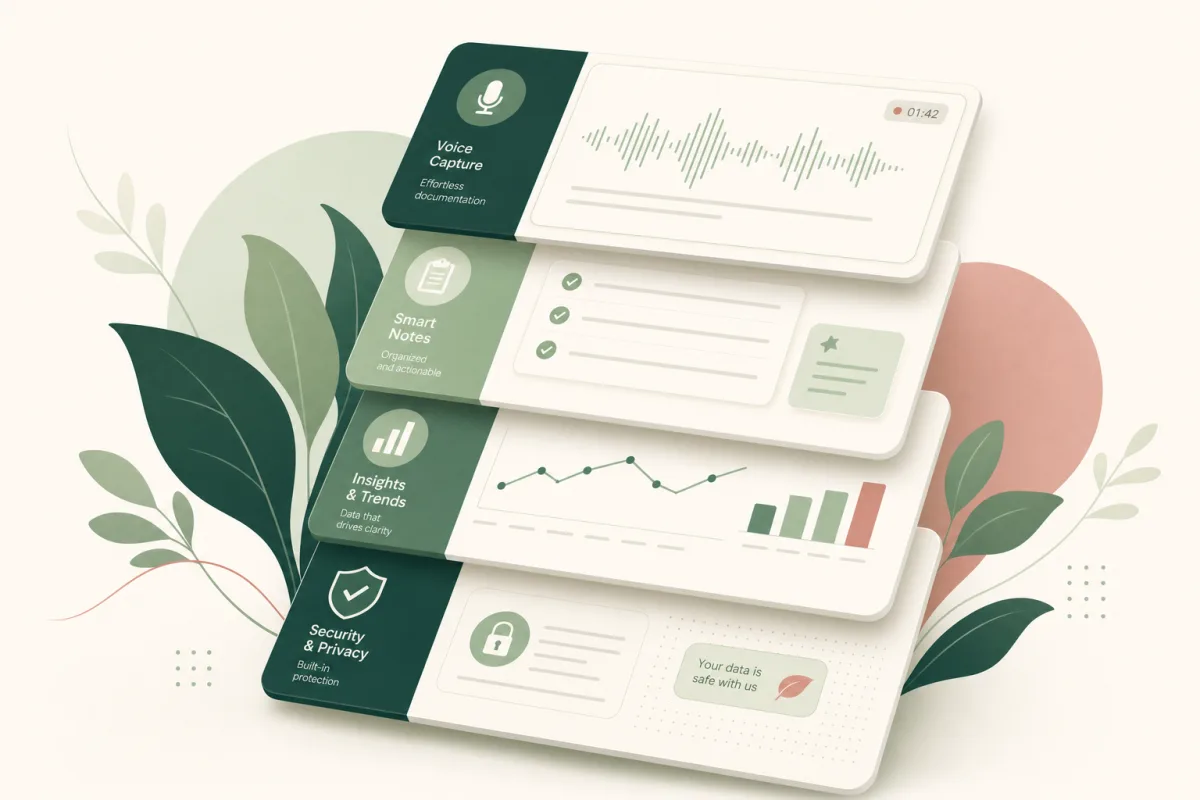
Neither platform ships a native ambient scribe comparable to WellSky Scribe (late 2025) or HCHB’s Curate: Scribe (March 2026). Netsmart markets AI-enabled workflow and analytics across its portfolio, and Axxess continues to add intelligent features. As of July 2026, agencies on either platform wanting ambient documentation add a documentation layer: full OASIS-E2 generation, HOPE support for hospice, ICD-10 coding suggestions, and AI QA flags. Lime provides this layer across both, and notes, codes, and QA results sync to your EMR.
Where each wins
Axxess strengths: an intuitive interface and faster onboarding, pricing working for small and growing agencies, one vendor for home health, hospice, and private duty, and an open API.
Netsmart myUnity strengths: one enterprise record across post-acute service lines, strong interoperability infrastructure, a fit for health systems and large multi-service organizations, and established hospice depth.
Shared considerations: neither includes ambient AI documentation natively today, and both require your agency to own OASIS and HOPE accuracy and coding QA.
How to decide
- Size and structure first. Under a few hundred clinicians with one or two service lines: Axxess’s simplicity usually wins. Multi-entity, multi-service, or health-system-affiliated: myUnity’s unified record starts justifying its weight.
- Check your referral ecosystem. If your referral partners live on Netsmart and CommonWell rails, myUnity’s interoperability has concrete daily value.
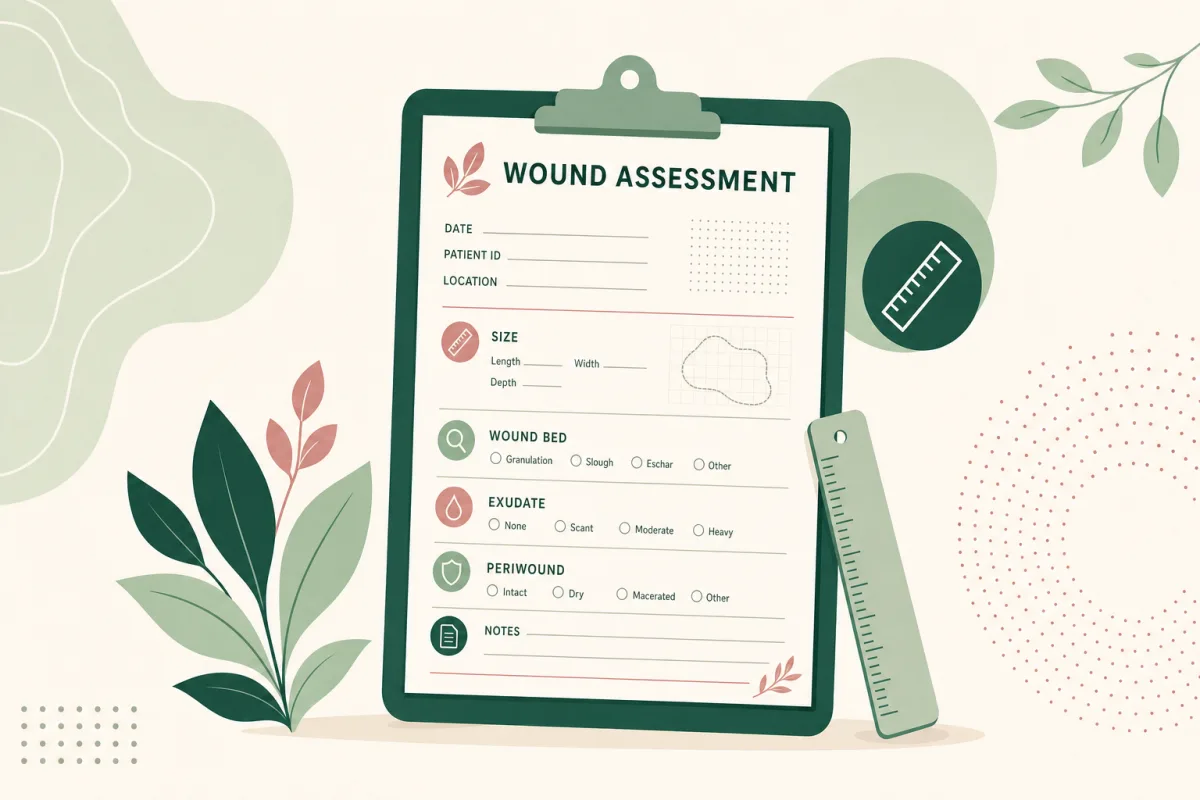
- Plan the documentation layer. Whichever you choose, decide separately how OASIS-E2 and HOPE assessments get done accurately and fast. This choice moves clinician retention and PDGM revenue more than the EMR pick. See our full home health software comparison and hospice AI documentation guide.
Both are legitimate choices with different centers of gravity. Axxess optimizes for agency accessibility. myUnity optimizes for enterprise unification. Match the platform to your structure, then solve documentation deliberately.