Why ADRs Are Rising Under OASIS-E2
OASIS-E2 has triggered a measurable increase in Medicare ADR activity for home health. Why audits are escalating, what's getting scrutiny, and how to prepare.
Lime Health Team
Lime Health AI
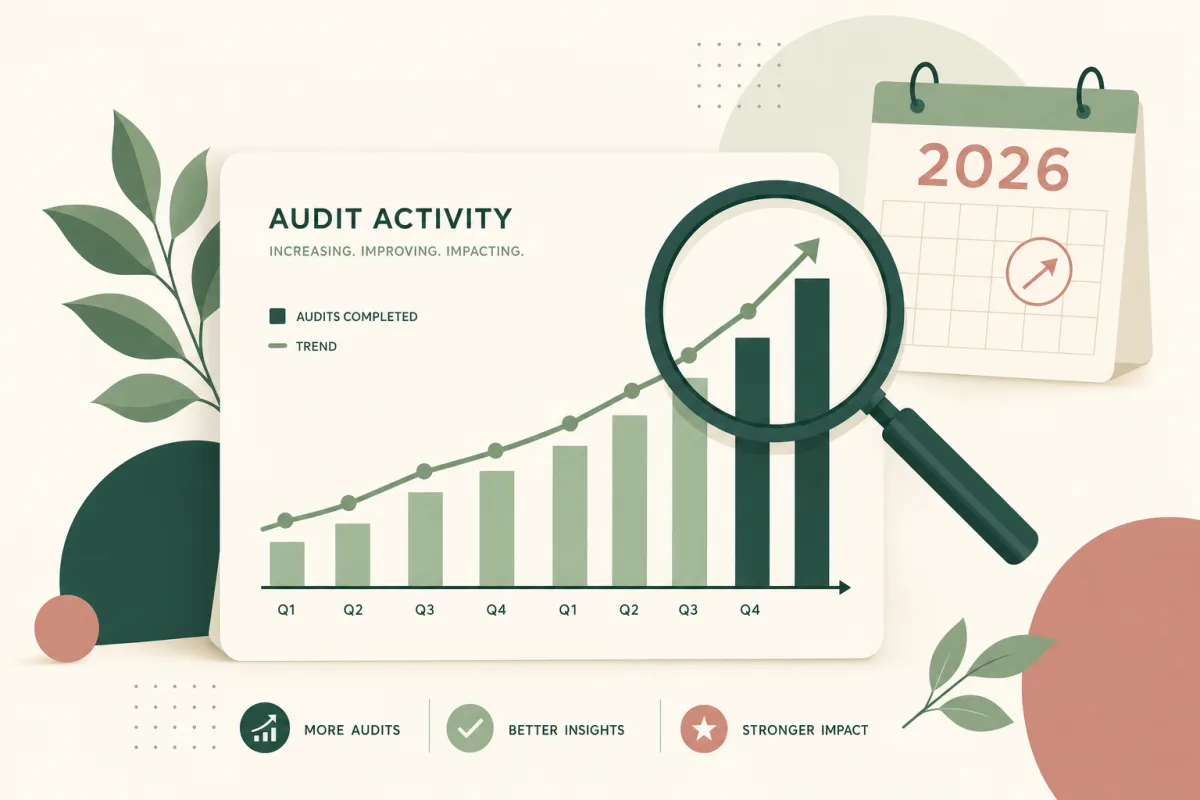
ADR Activity Is Up. Here’s Why.
Since OASIS-E2 took effect in 2026, home health agencies are reporting a noticeable increase in Medicare ADR (Additional Documentation Request) activity. Conversations with QA leaders across multiple regions point to the same pattern: more ADRs, more focused on specific OASIS-E2 changes, and more aggressive denial rates on responses.
This isn’t random. There are specific reasons why CMS, MACs, and RACs are intensifying review post-OASIS-E2, and specific things your agency should do now to stay ahead of the curve.
For the foundational guides, see What Is OASIS-E2? and What Is an ADR?.
Reason 1: CMS Always Increases Audit Activity After Major Updates
OASIS version transitions create predictable audit waves. CMS uses post-implementation periods to verify that agencies are actually conforming to the new framework, which means more chart reviews, more ADRs, and more focused scrutiny on the specific items that changed.
We saw this with OASIS-E (2023) and OASIS-E1 (2025). OASIS-E2 is following the same pattern, just with more regulatory infrastructure behind it.
Reason 2: Section GG Scoring Has Shifted
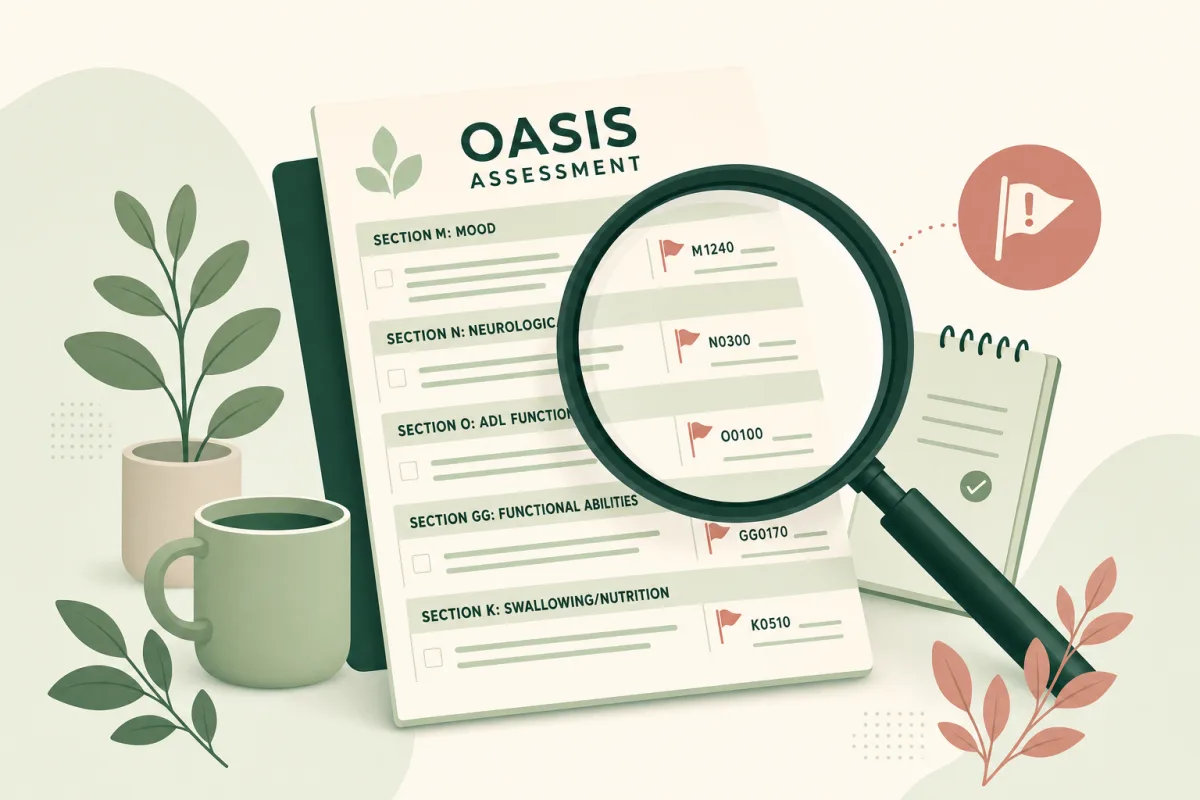
OASIS-E2 includes refinements to Section GG functional assessment items. Even small changes to scoring guidance can shift the distribution of Low / Medium / High functional impairment scoring across patients, which directly affects PDGM payment.
CMS’s data analytics now flag agencies whose Section GG scoring distribution has shifted dramatically post-OASIS-E2, especially shifts toward higher scoring (which drives higher PDGM payment). Whether the shift is intentional or unintentional, the resulting payment outlier pattern triggers ADR selection.
What to do:
- Compare your Section GG scoring distribution pre-OASIS-E2 vs post-OASIS-E2
- Identify clinicians whose scoring shifted dramatically, this can indicate misunderstanding of refined items
- Provide focused Section GG training
- Run real-time AI QA flagging unusual scoring patterns
Reason 3: SDOH Items Are New Audit Territory
OASIS-E2 expands Social Determinants of Health (SDOH) items. Many clinicians have never been formally trained on how to administer SDOH items sensitively, which means inconsistent responses, missing items, and “patient declined” responses that are not properly documented.
Auditors are now actively checking SDOH item completeness. A pattern of skipped or unjustified “declined” responses is becoming a common ADR finding.
What to do:
- Train clinicians on SDOH interviewing technique (it’s different from clinical history-taking)
- Create QA rules that flag missing SDOH items
- Document patient refusals with specific reasons
- Build SDOH prompts into your visit workflow
Reason 4: BIMS and Cognitive Items Are Being Scrutinized
OASIS-E2 includes refined administration guidance for cognitive screening items (BIMS, PHQ-2/9). Auditors are checking that these items were actually administered per CMS guidance, not estimated from clinical impression.
Common audit finding: BIMS scored as a clean cognitive baseline, but the visit narrative shows no documentation of actually administering the BIMS questions. Auditors infer the score was estimated, which is improper.
What to do:
- Train clinicians on proper BIMS administration
- Document the BIMS administration in the visit note (not just the score)
- Use ambient scribe technology to capture BIMS administration automatically
Reason 5: PDGM Payment-Pattern Outliers Get Flagged Faster
CMS data analytics have improved significantly. Outlier billing patterns get identified within weeks of submission, not months. Agencies whose post-OASIS-E2 PDGM payment per 30-day period shifts dramatically upward face faster ADR selection than they would have in the past.
What to do:
- Capture baseline PDGM metrics before OASIS-E2 implementation
- Monitor PDGM payment per 30-day period weekly
- Investigate any shift more than 5% from baseline
- See the full OASIS-E2 Implementation Playbook
Reason 6: TPE Activity Is Targeting OASIS-E2 Transition Patterns
TPE (Targeted Probe and Educate) reviews are increasingly focused on OASIS-E2 transition patterns. MACs are using TPE selection to verify that agencies have actually implemented OASIS-E2 correctly, meaning agencies that compressed implementation or skipped training are at higher TPE risk.
What to do:
- Document your OASIS-E2 implementation thoroughly (training records, QA rule updates, policy changes)
- If you compressed implementation below 60 days, expect TPE scrutiny
- Consider proactive internal audits to identify weaknesses before MAC does
Reason 7: RAC Focus Areas Have Updated
RAC (Recovery Audit Contractor) audits periodically update their focus areas. Several RACs have published OASIS-E2-related focus areas, including:
- Section GG functional impairment scoring patterns
- SDOH item completeness
- BIMS administration documentation
- High-payment clinical groups under refined OASIS-E2 framework
RAC audits are post-payment with a 3-year lookback, so weak documentation from earlier OASIS-E1 era can also surface in current RAC reviews.
Reason 8: Hospice ADRs Are Also Up
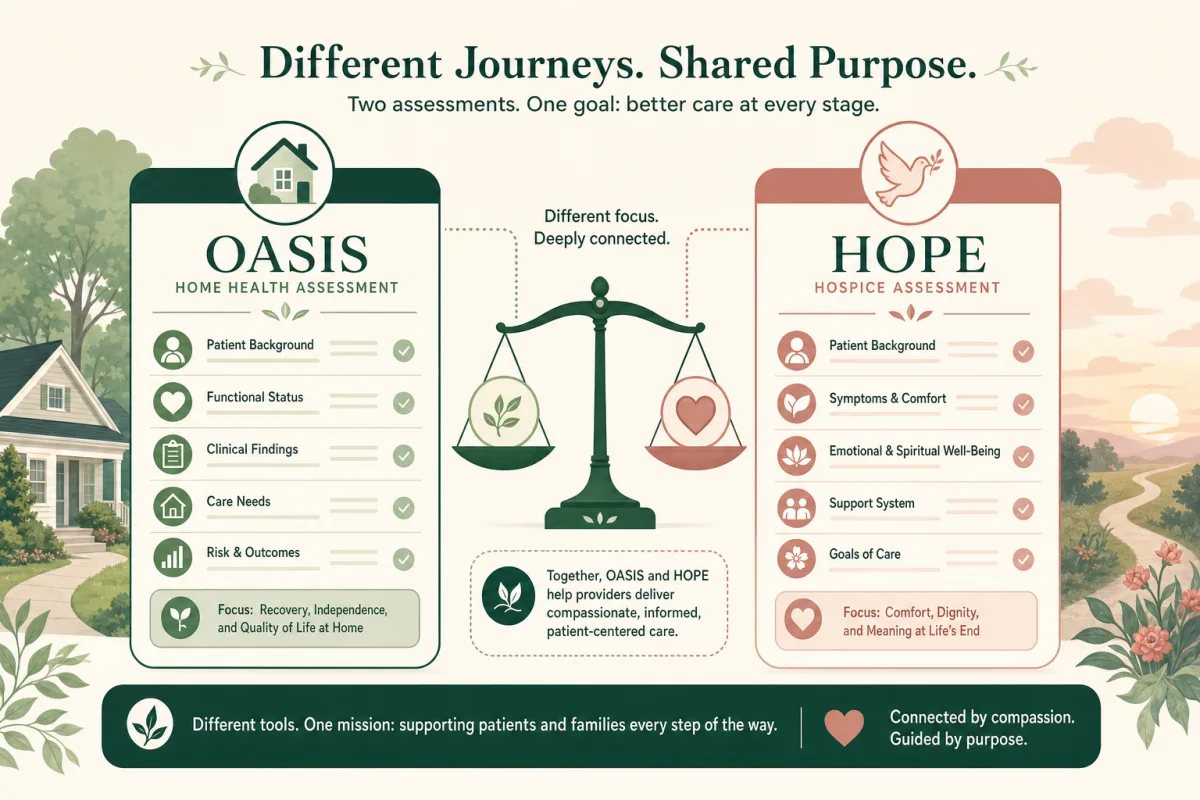
Although OASIS-E2 specifically applies to home health, hospice ADRs are also intensifying. CMS scrutiny of hospice billing has been increasing for years, and the post-implementation focus on home health has spillover effects on hospice audit programs.
For hospice agencies: expect continued focus on long-LOS patients, recertification narrative quality, and IDG documentation. See the Hospice ADR Service for tactical guidance.
What This Means for Your Agency
If your agency has not yet experienced an ADR uptick, two things are likely true: (1) you’ve done OASIS-E2 implementation well so far, or (2) you will see increased activity in the next 90-180 days as audit cycles catch up.
Either way, prepare now. The cost of preparation is significantly lower than the cost of reactive scrambling when ADRs arrive in volume.
The 5-Step Preparation Checklist
- Audit your last 20 ADR outcomes. Are denial rates trending up? Which categories?
- Verify your OASIS-E2 implementation completeness. Training records, QA rules, EMR forms, policies, all current?
- Capture baseline metrics. PDGM payment per 30-day period, error rates, time-to-completion. You can’t manage what you don’t measure.
- Audit your ADR response capacity. Can your QA team handle 2-3x current ADR volume? If not, plan now.
- Strengthen documentation upstream. Real-time AI QA and ambient scribes prevent most ADR-triggering issues at the visit.
When to Outsource ADR Response
For agencies experiencing rapid ADR volume growth, in-house QA capacity often becomes the bottleneck. Outsourcing options range from traditional ADR response services (Gateway, McBee) to AI-assisted services like Lime’s ADR Response Service which handle the entire response workflow under 1 hour per ADR with 90%+ first-pass approval.
The ROI calculation: at typical claim values of $3,500 and typical denial rates of 30-50% for in-house responses vs 10% for AI-assisted services, a single avoided denial pays for many ADR responses.
What to Do This Week
- Read the OASIS-E2 Audit Triggers guide
- Review your Section GG scoring distribution pre/post OASIS-E2
- Train clinicians on SDOH and BIMS administration
- Audit your ADR response workflow against the 7-step process
- Book a 25-minute call if you want to see how AI-assisted ADR response would work at your agency
OASIS-E2 audit activity isn’t going away. The agencies that prepare well will absorb the increased volume without major operational disruption. The agencies that don’t will find themselves reactive, denying-claims-up, and revenue-leaking. Choose now.